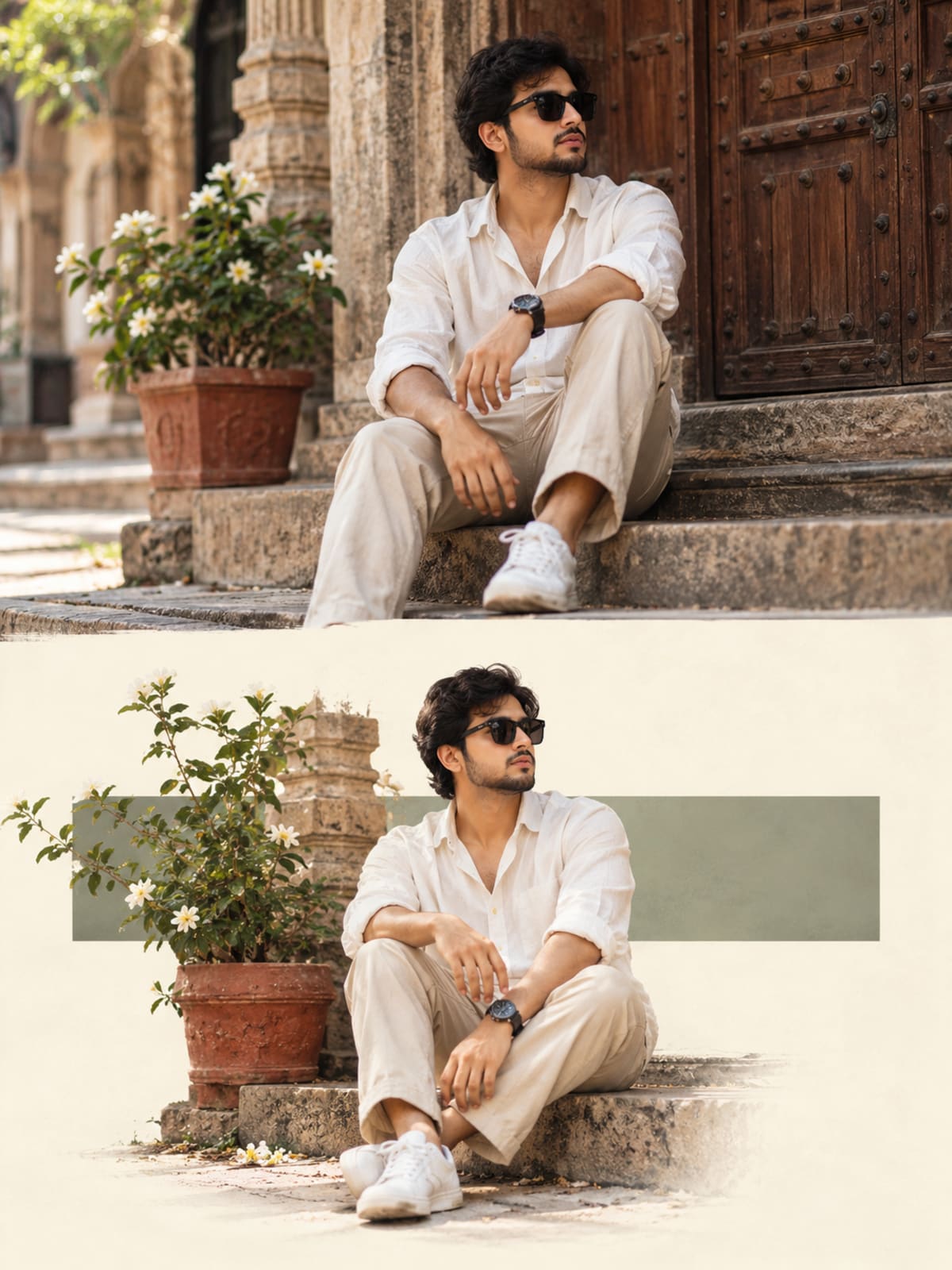
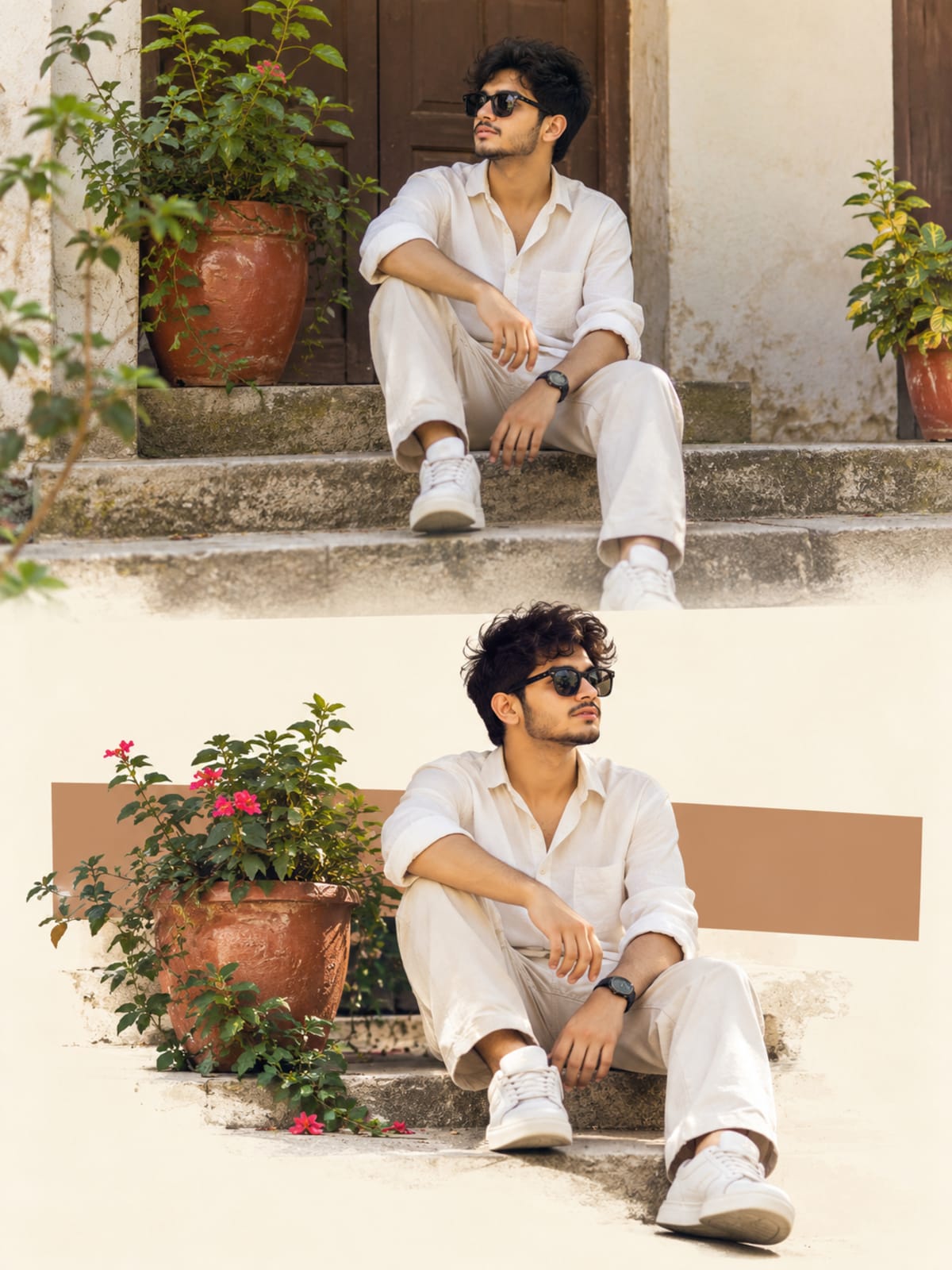
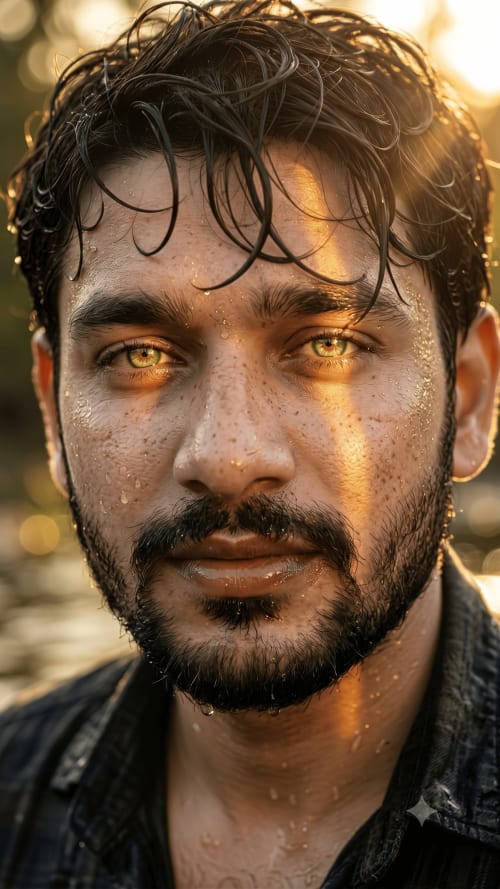
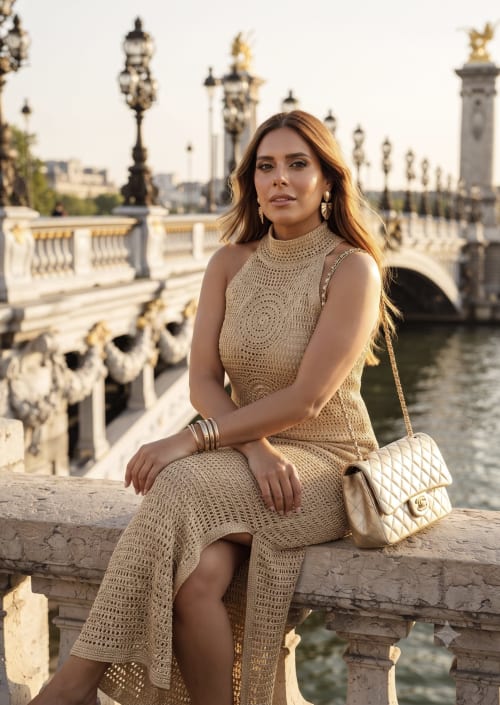
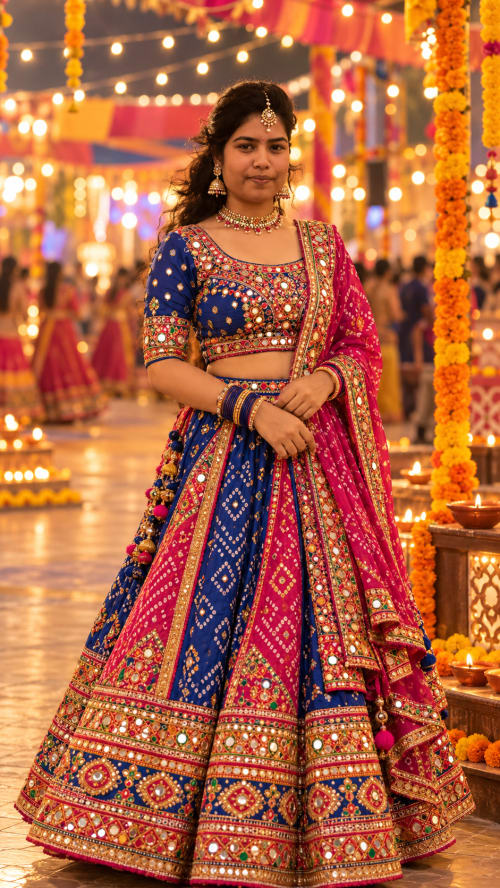
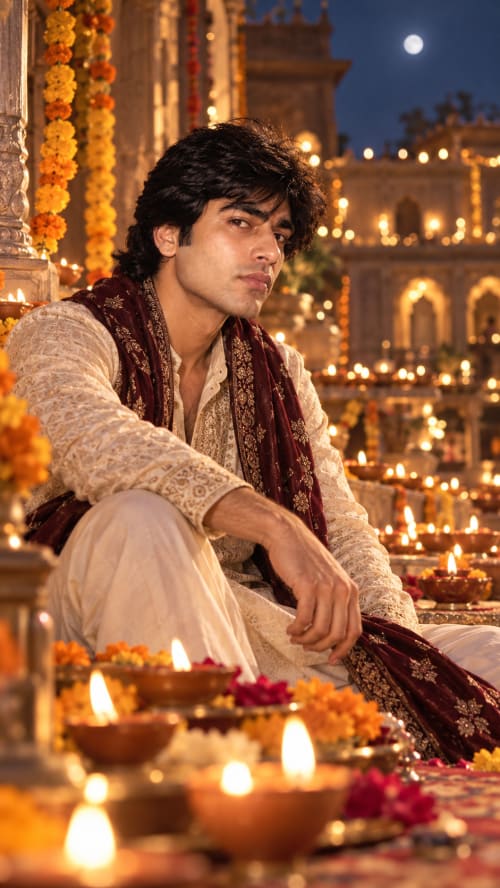
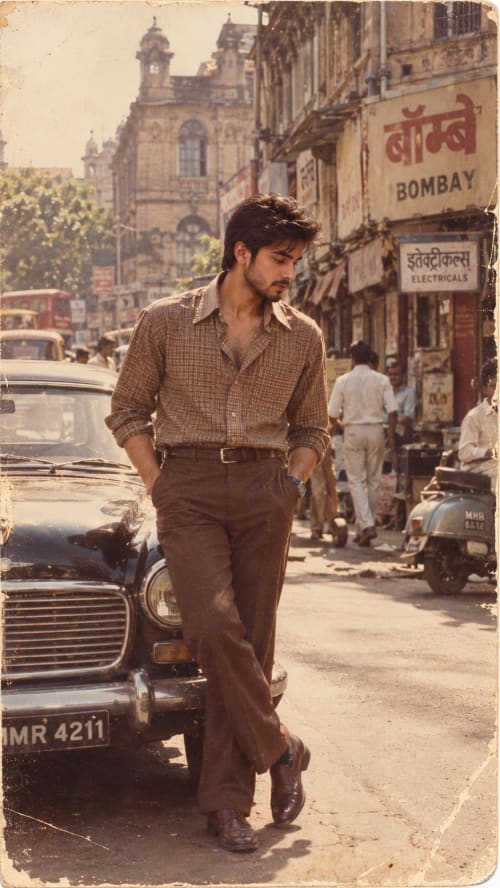
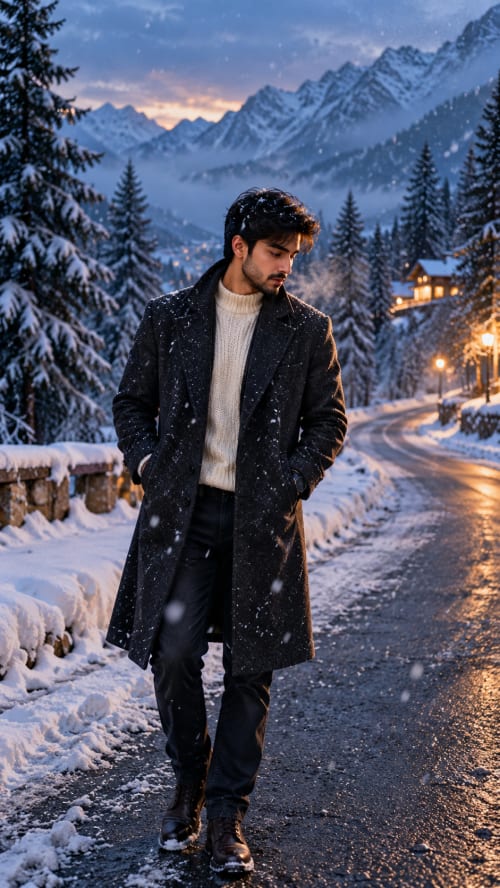
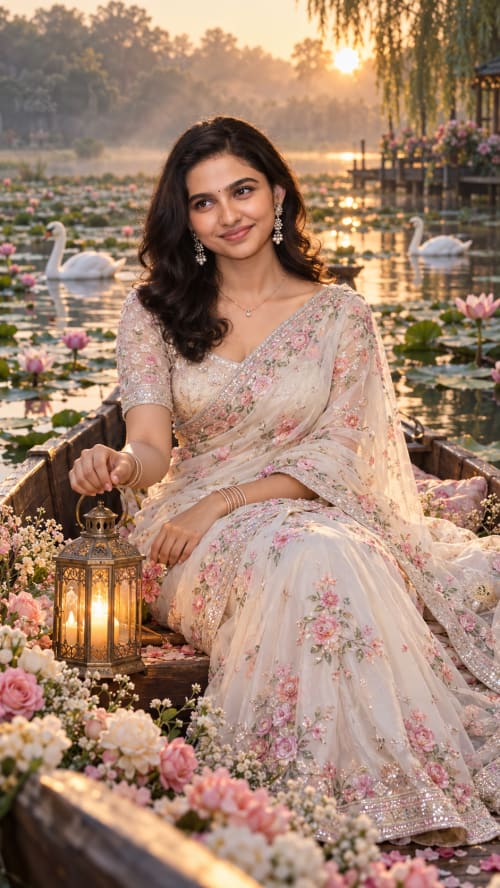
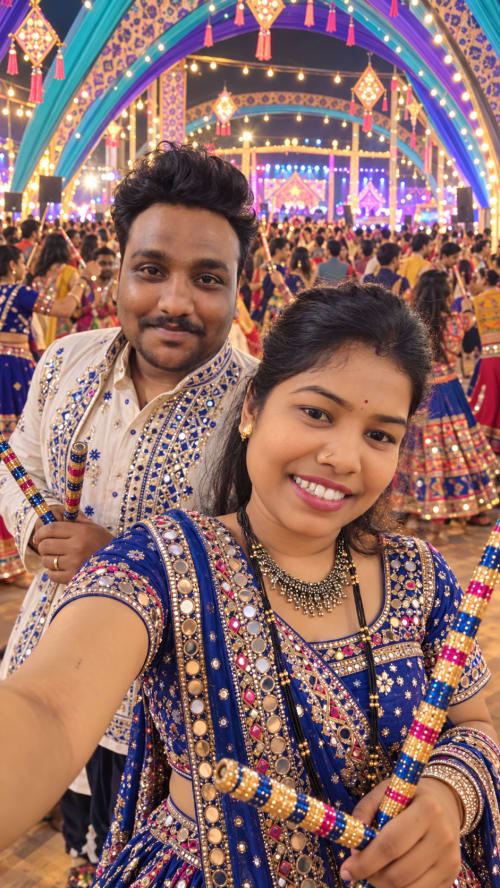
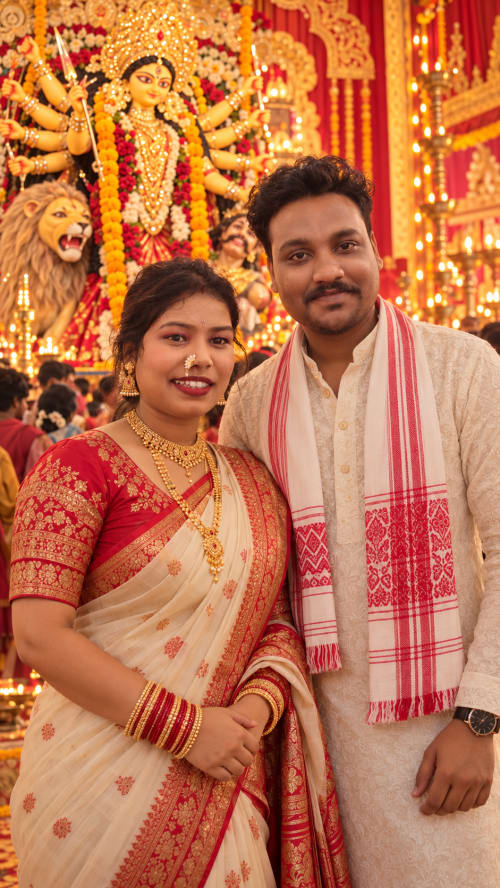
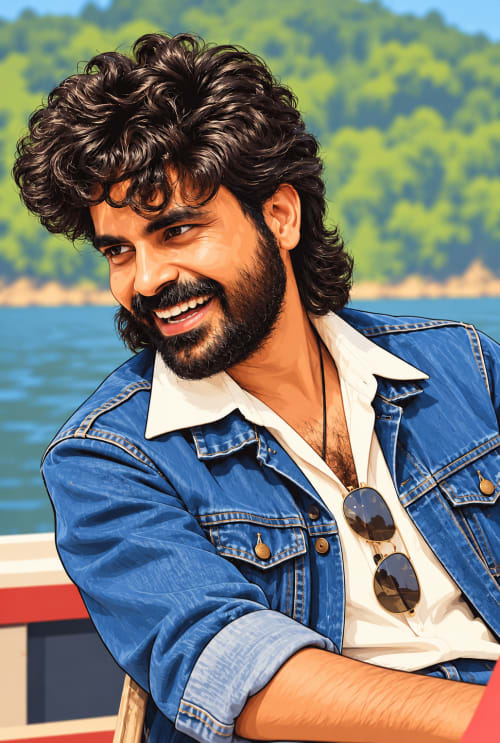
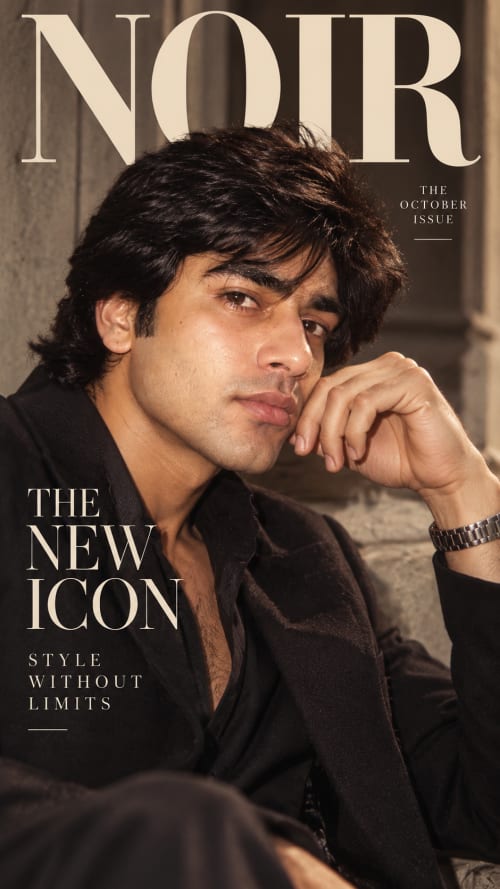
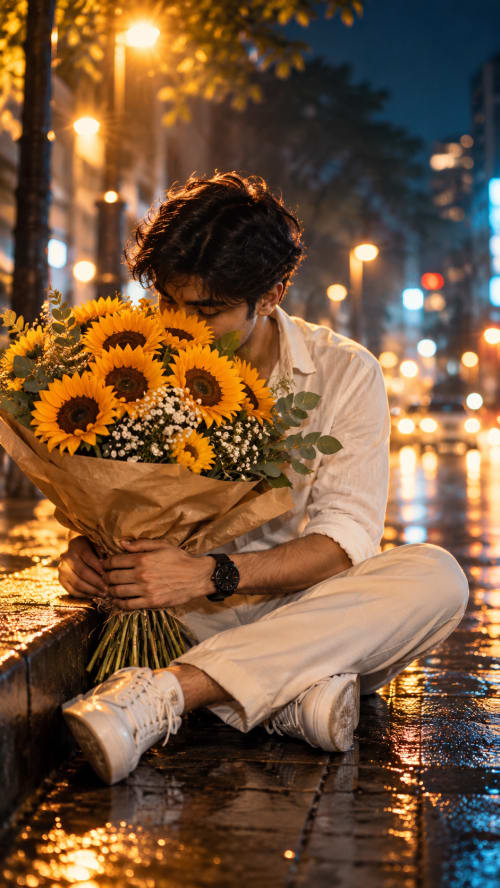
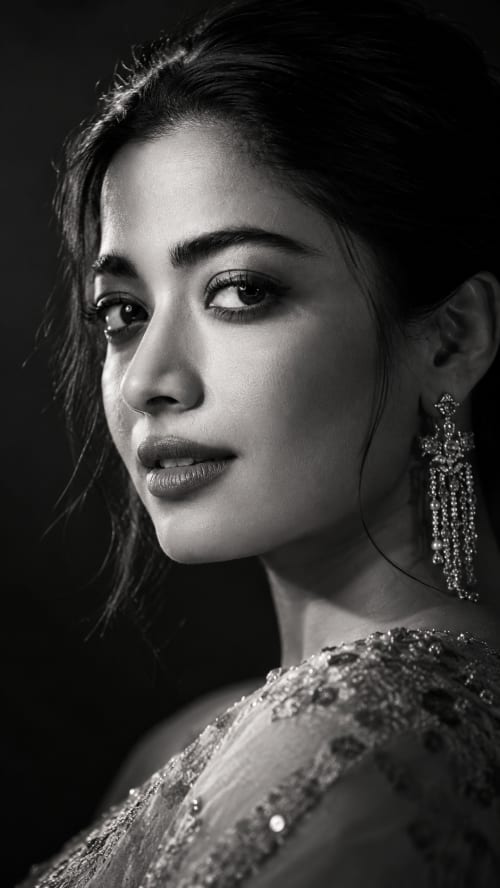
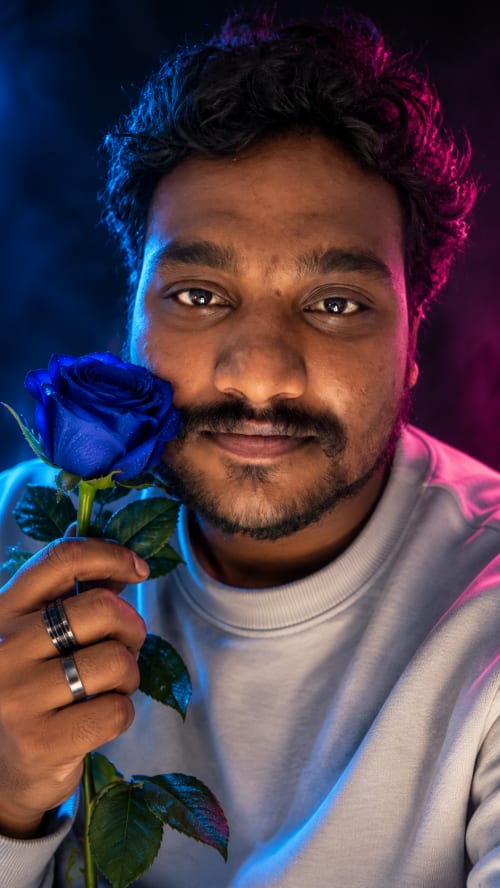
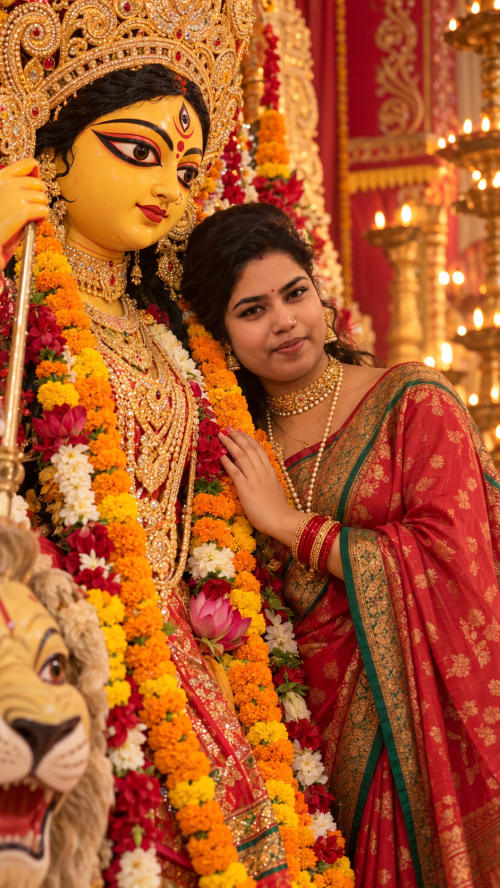
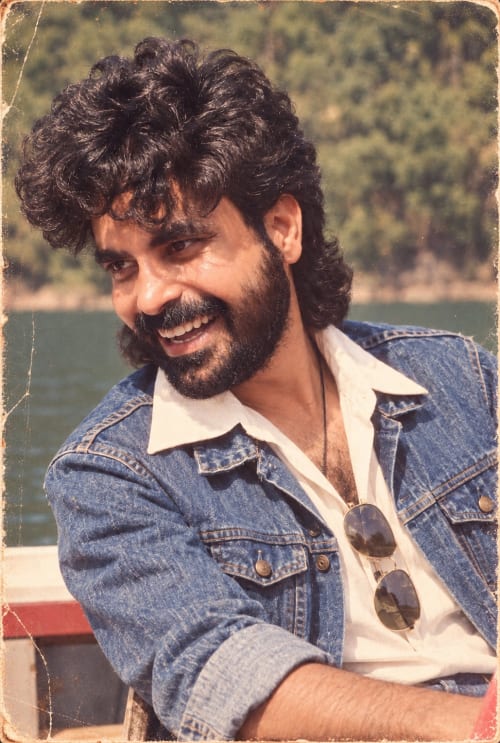
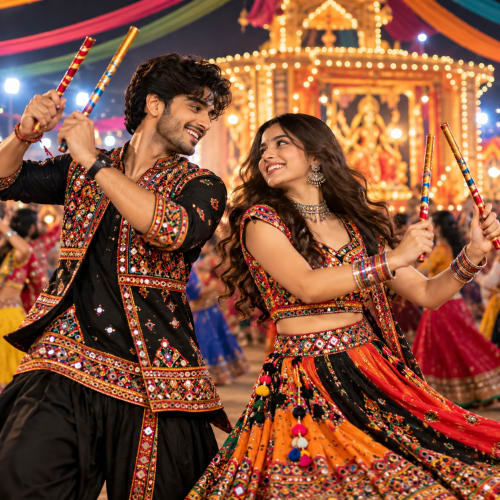
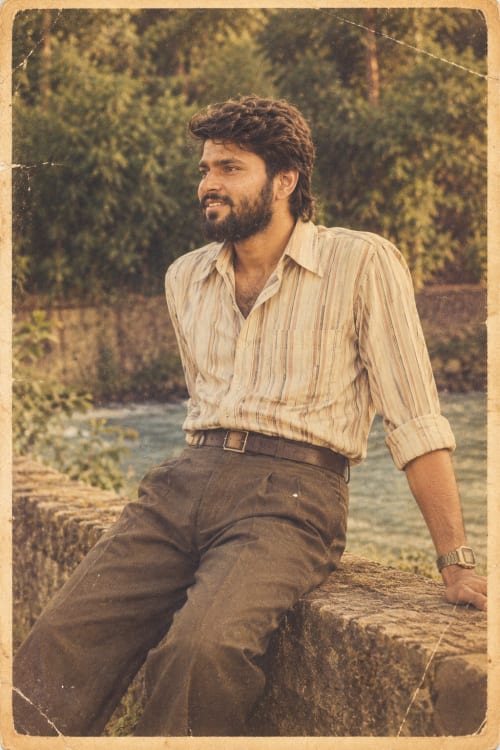
Treat each uploaded photograph as an editorial poster. Never combine uploaded photos. Preserve each photograph as the reference.
Create a 3:4, vertical editorial composition divided horizontally into two zones, avoiding a rigid graphic split.
UPPER SECTION:
Place the uploaded photograph across the upper 50% as a reproduction. Do not regenerate, reinterpret, replace, or stylize it. Preserve subject identity, clothing, objects, architecture, background elements, perspective, proportions, textures, lighting direction, shadows, and color relationships. Maintain the photo character. Allow tonal correction. Avoid artificial sharpness, excessive contrast, HDR, oversaturation, fantasy elements, or invented objects.
LOWER SECTION:
Create a new editorial interpretation inspired by the photograph's story. Reconstruct essential narrative elements, such as the recognizable subject, primary object, architectural feature, plant, animal, or environmental detail. Keep everything believable and consistent with the photograph.
Do not place the recreated scene inside a rectangular frame. Let reconstructed elements emerge naturally from the lower section and occupy approximately 55 to 75% of its width. Preserve realistic anatomy, scale, perspective, surface texture, contact shadows, and atmospheric depth. The recreated subject must remain recognizable without becoming a literal duplicate of the upper photograph.
Introduce one abstract element derived from the image. Extract a dominant secondary color or muted tonal family and transform it into a slim horizontal or gently angled geometric field behind the reconstructed narrative. The field is an editorial design element, not a background panel.
Allow selected parts of the narrative to overlap the geometric field. The subject, flowers, window, animal, furniture, or significant objects may partially cross beyond its boundaries. This creates controlled depth and interaction between photography, reconstruction, and graphic design.
Keep the geometric element narrow, understated, and low saturation. Do not use gradients, decorative borders, multiple color blocks, heavy drop shadows, patterns, or unnecessary graphic ornaments. It must support the image, not compete with it.
LOWER BACKGROUND:
Use a warm-white, ivory, light cream, or pale neutral background with subtle paper-like character. Keep the area open and spacious. Do not fill negative space with unnecessary objects.
COMPOSITION:
Create an asymmetric editorial layout with strong balance rather than perfect symmetry. The upper photograph should immediately establish the story. The lower reconstruction becomes the secondary focal point, followed by the geometric color element and negative space.
Maintain generous breathing room around the lower composition. Avoid crowding the edges. Keep facial features and narrative objects unobstructed.
STYLE:
Contemporary premium editorial photography combined with art-direction principles. Natural realism, color palette, authentic photo texture, soft directional light, subtle depth, realistic grounding, and negative space.
The final result should feel like a professionally designed magazine art poster, not a collage, advertisement, scrapbook, or AI-generated graphic.
STRICTLY AVOID:
No additional people, fictional objects, surreal elements, dramatic fantasy lighting, neon colors, HDR, oversharpening, heavy shadows, decorative borders, gradients, random typography, logos, watermarks, artificial photo frames, or unnecessary graphic elements.
The photograph remains the authority for the upper section. The lower section should feel like a carefully reconstructed continuation of its narrative, creating a sophisticated relationship between authentic photography, realistic reconstruction, controlled geometry, and negative space. Preserve all core visual information and narrative relationships from the image.