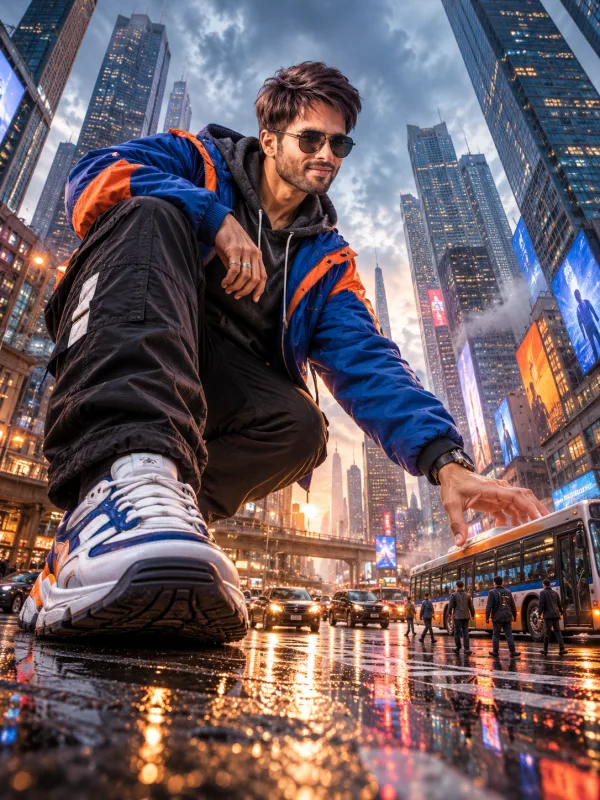
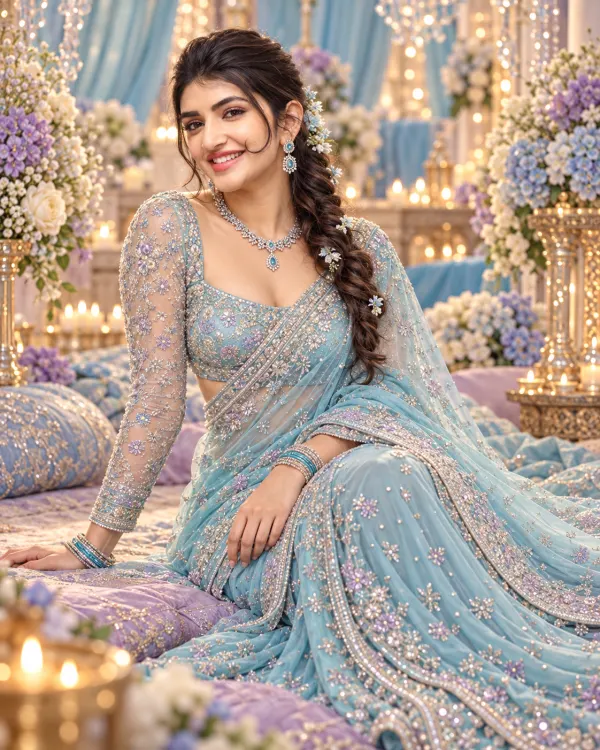
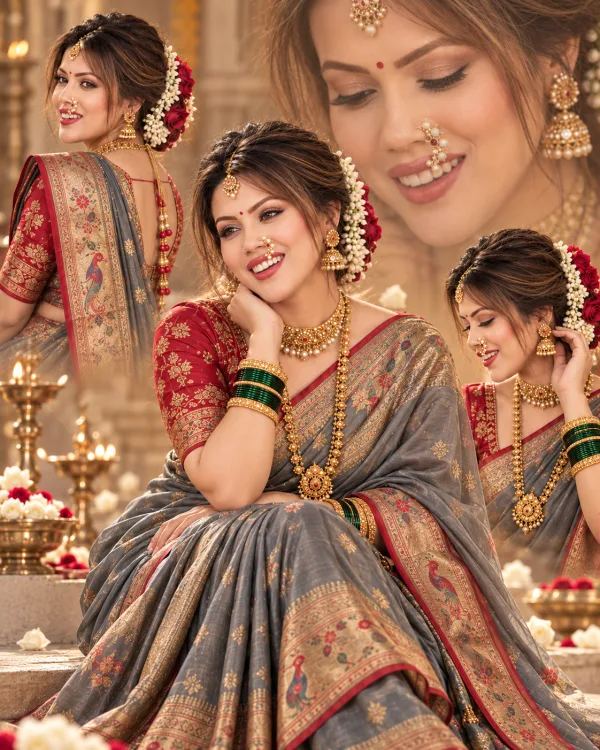
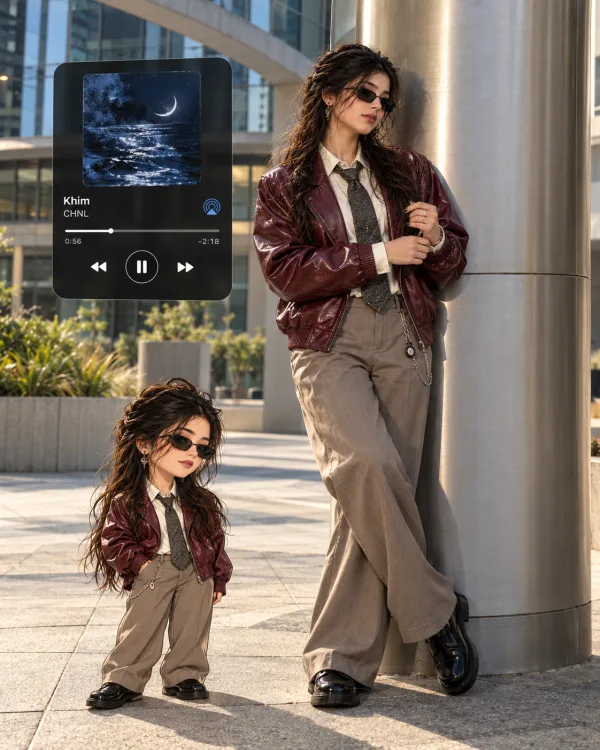
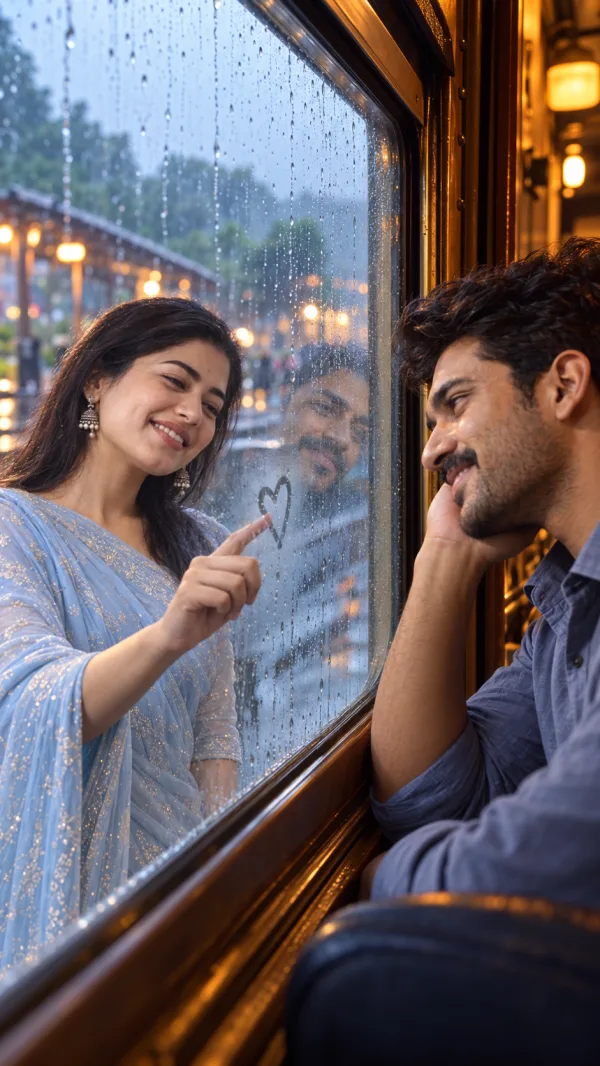
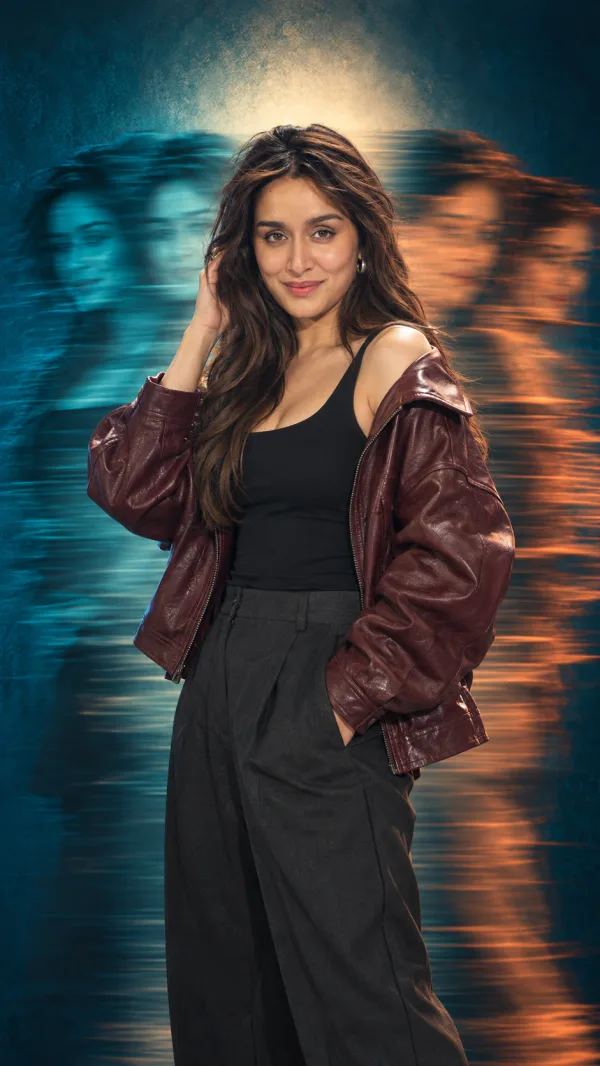
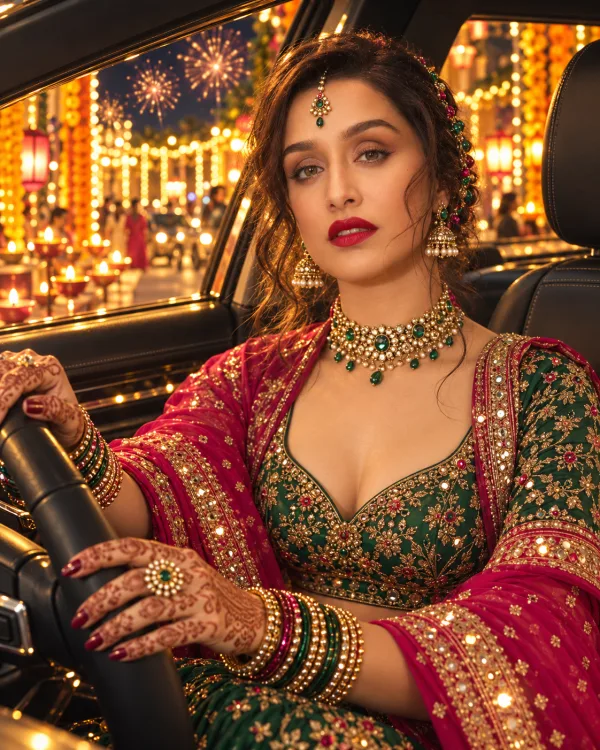
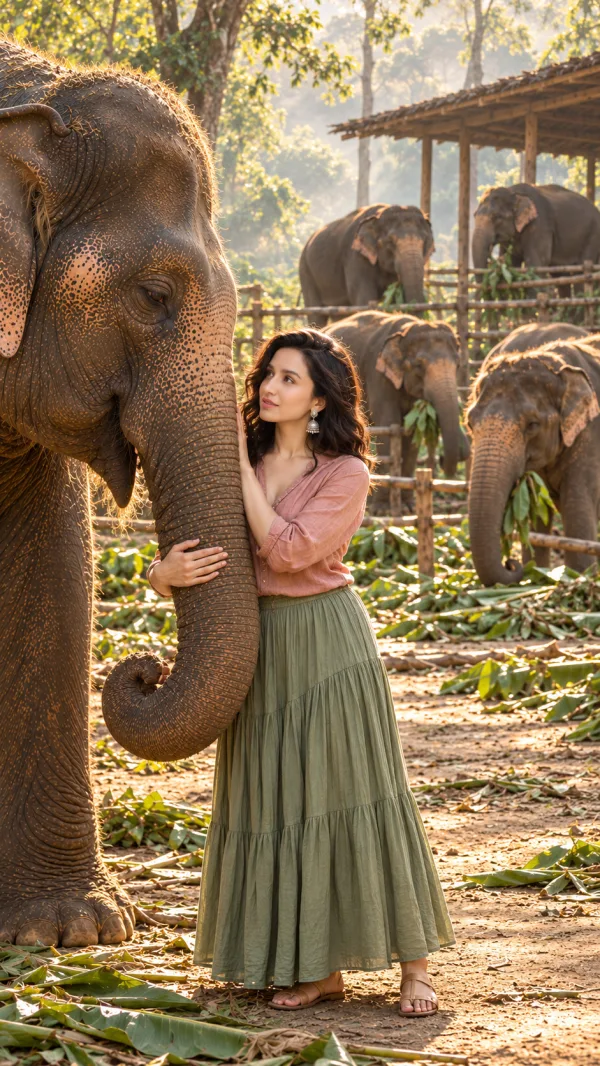
Analyze the uploaded photograph carefully and restore it into a high-quality, photorealistic 4K HD image while preserving the subject's original identity with maximum accuracy.
**1. Identity Preservation**
- Preserve the person's exact recognizable facial identity, face shape, facial proportions, eye shape and spacing, nose, lips, jawline, chin, eyebrows, skin tone, hairline, and natural expression.
- Do not alter age, gender presentation, ethnicity, body proportions, hairstyle, or distinctive facial characteristics.
- Do not beautify, reshape, slim, smooth excessively, or reconstruct the face into a different person.
- Treat the original image as the primary source of truth. Never invent details that cannot be reliably recovered from the source.
**2. Blur Removal and Detail Recovery**
- Reduce motion blur, optical softness, compression artifacts, and unwanted image noise wherever possible.
- Improve the clarity of the eyes, eyelashes, eyebrows, lips, hair strands, clothing texture, and other visible details.
- Recover natural-looking edges without creating artificial outlines, halos, excessive sharpening, or crunchy textures.
- Apply realistic facial detail enhancement while retaining natural pores, fine lines, and authentic skin texture.
- Keep both eyes anatomically consistent and avoid artificial iris patterns, asymmetry introduced by processing, or unnaturally sharp facial features.
**3. Resolution and Image Quality**
- Upscale the image to a true 4K-class output, preferably 3840 pixels on the longer edge while maintaining the original aspect ratio.
- Improve perceived resolution, fine-detail definition, edge clarity, tonal depth, and overall image cleanliness.
- Reduce color noise, luminance noise, pixelation, and JPEG compression artifacts.
- Preserve realistic photographic characteristics rather than creating an AI-generated or illustrated appearance.
**4. Lighting and Color Correction**
- Correct exposure, white balance, and color casts while preserving the original skin tone.
- Balance highlights, shadows, contrast, and midtones for a natural professional-camera appearance.
- Improve facial illumination gently without changing the direction of the original lighting or introducing dramatic studio effects.
- Avoid oversaturation, excessive warmth, unnatural skin redness, plastic skin, and HDR-like processing.
**5. Background Preservation**
- Keep the original background composition, position, and general appearance unchanged.
- If the background is white or off-white, retain a clean, neutral white or soft off-white tone.
- Remove distracting background noise or discoloration only when necessary, without replacing the background or introducing new objects.
- Maintain natural hair edges and fine flyaway strands without cutout artifacts.
**6. Clothing and Object Details**
- Improve the clarity of visible clothing fibers, accessories, jewelry, and other existing objects.
- Preserve their original shapes, colors, positions, and proportions.
- Do not add, remove, or redesign any objects.
**7. Final Rendering Requirements**
Produce a clean, natural, high-resolution photograph resembling a well-focused image captured with a professional camera and high-quality lens. Use realistic skin texture, precise but natural facial detail, neutral colors, smooth tonal transitions, and balanced sharpness.
**Strict negative constraints:** No face swapping, no identity changes, no facial reshaping, no artificial makeup, no skin whitening, no beauty filters, no excessive skin smoothing, no invented facial details, no altered expression, no extra accessories, no background replacement, no oversharpening, no painterly textures, no CGI appearance, and no unnatural AI artifacts.
**Priority order:** Original identity first, faithful restoration second, natural image quality third, and maximum sharpness fourth. If a detail cannot be recovered confidently, preserve its original appearance rather than fabricating it.