# PIXEL-PRECISE CINEMATIC ANIME TRANSFORMATION
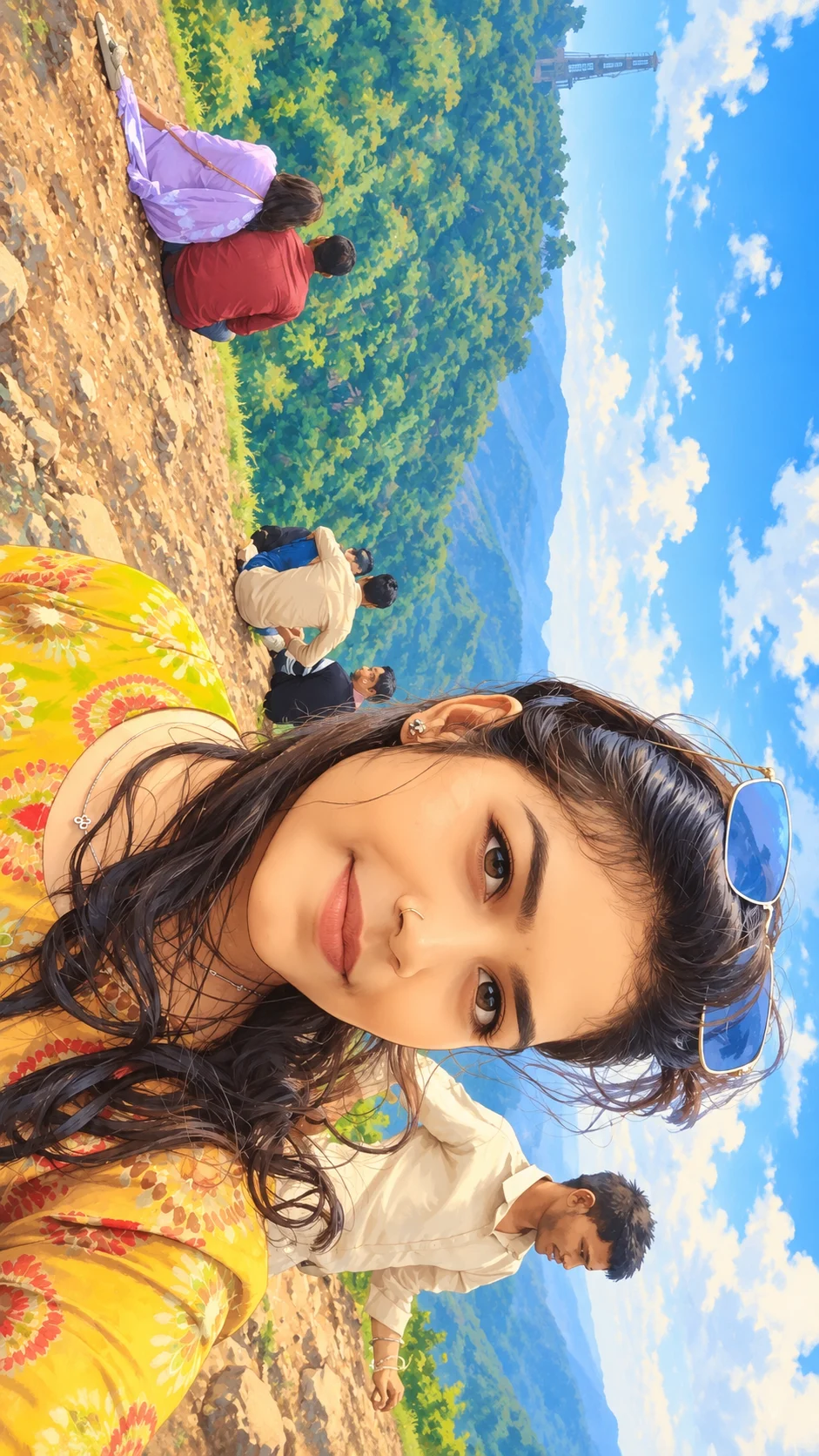
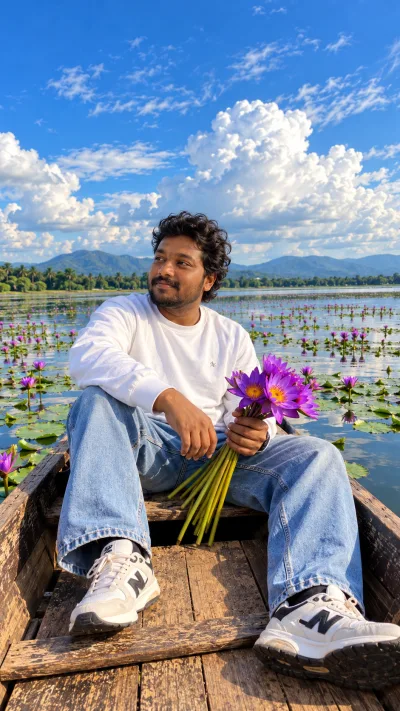
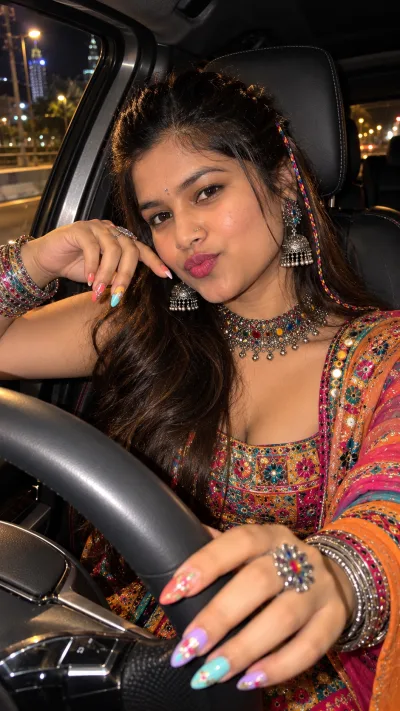
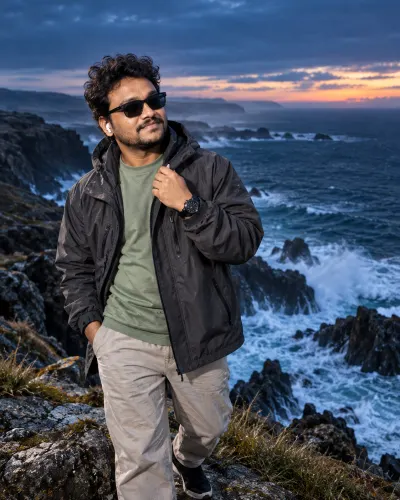
Analyze the uploaded photograph carefully and transform it into a breathtaking, hand-painted cinematic anime scene. Use the uploaded image as the sole visual reference.
## 1. ABSOLUTE SUBJECT PRESERVATION
Preserve the main subject's identity and recognizable appearance as faithfully as possible. Do not intentionally change the face shape, facial features, hairstyle, expression, skin tone, body proportions, clothing, accessories, pose, or position.
Retain the exact subject count, gestures, silhouette, and interaction with the environment. Do not beautify, redesign, replace, or invent subject details.
Translate the existing subject into the same hand-painted anime aesthetic as the environment while preserving the original person's distinctive characteristics. Avoid generic anime faces or exaggerated eyes that change identity.
## 2. EXACT SCENE AND COMPOSITION
Preserve the original photograph's composition, camera angle, perspective, framing, horizon, depth, lighting direction, shadows, and spatial relationships.
Keep every recognizable environmental element in its original position, including buildings, roads, trees, mountains, grass, sky, water, vehicles, furniture, walls, pathways, and terrain, wherever present.
Do not add, remove, move, resize, or rearrange objects. Do not invent scenery or expand the visible field of view. Preserve the original aspect ratio and crop.
## 3. HAND-PAINTED ANIME ART DIRECTION
Transform the entire image into a cohesive, premium, hand-painted cinematic anime aesthetic inspired by traditional Japanese animation backgrounds.
Use:
- Beautifully painted environmental textures.
- Natural, vibrant colors with restrained saturation.
- Soft cinematic lighting and atmospheric depth.
- Expressive skies and clouds only where present in the original.
- Delicate brushwork, subtle pigment texture, and carefully layered shading.
- Natural highlights, soft shadows, and painterly environmental details.
Make the environment richly illustrated without turning it into a fantasy world. Keep every architectural feature, landscape contour, and background object faithful to the source.
## 4. SUBJECT AND ENVIRONMENT INTEGRATION
Render the subject in a complementary hand-painted anime style that blends naturally with the transformed environment.
Preserve the original pose, clothing design, folds, accessories, hairstyle, and silhouette. Use controlled outlines, subtle painterly shading, and realistic color transitions.
Maintain consistent light direction, shadow placement, color temperature, and atmospheric perspective between the subject and surroundings. Avoid a cutout appearance or a subject that looks pasted onto the background.
## 5. COLOR AND LIGHTING
Retain the original scene's lighting conditions and overall color atmosphere while refining them with cinematic anime-inspired color grading.
Use nuanced highlights, natural midtones, rich but controlled shadows, and subtle ambient light. Preserve important details in bright and dark areas.
Do not replace daylight with sunset, change the weather, introduce artificial light sources, or alter the time of day unless these changes already exist in the source.
## 6. TEXTURE AND FINISH
Create a polished film-quality illustration with detailed brushwork, subtle paper-like texture, layered environmental painting, clean subject rendering, and natural depth.
Avoid excessive smoothing, artificial sharpening, plastic textures, heavy outlines, or overly simplistic cartoon shading.
The image should resemble a carefully painted frame from a high-budget animated film while retaining the original photograph's composition and recognizable details.
## 7. STRICT NEGATIVE CONSTRAINTS
No identity changes, no altered facial structure, no changed expression, no hairstyle changes, no different clothing, no modified pose, no extra people, no missing objects, no new scenery, no moved buildings, no changed perspective, no altered camera angle, no invented clouds, no fantasy elements, no exaggerated anime features, no distorted anatomy, no artificial blur, no text, no logos, and no watermark.
## FINAL PRIORITY
First, preserve the original subject and composition. Second, retain all environmental objects and their spatial relationships. Third, apply a consistent, beautiful hand-painted anime aesthetic across the entire image.
The final result should look like the exact original photograph artistically transformed into a cinematic anime film frame, with faithful composition, recognizable subjects, cohesive painterly textures, and natural visual harmony.